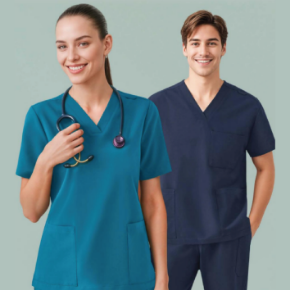
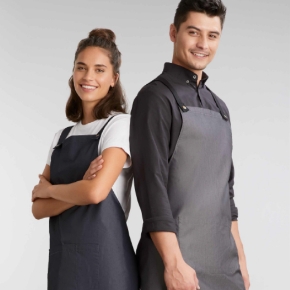
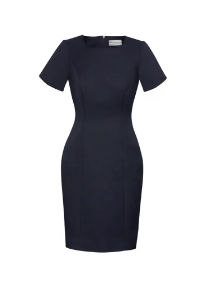
Choosing the wrong decoration method is one of the most common and costly uniform mistakes. Here's how to match embroidery, screen printing and heat transfer to the right garment and get results that last.
Hearing loss frequently happens due to exposure to loud environments. It can result from a singular loud noise such as an explosion of a firecracker near your ear, or more often, it can result over time from repeated exposure to loud sounds causing damage to our ears. Our ears are incredibly versatile and an essential organ in our bodies. Hence, we measure sound levels, which can assist us in understanding what things and settings can potentially harm our ears.
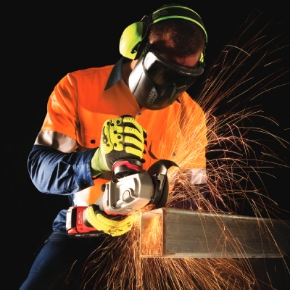
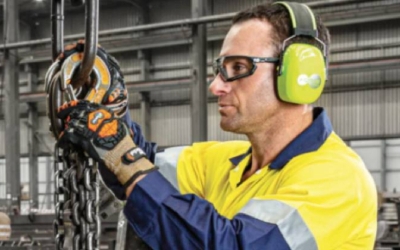
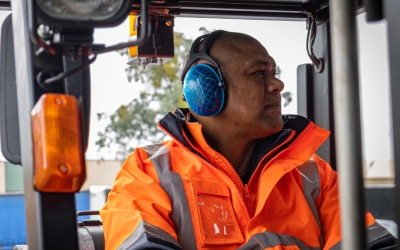
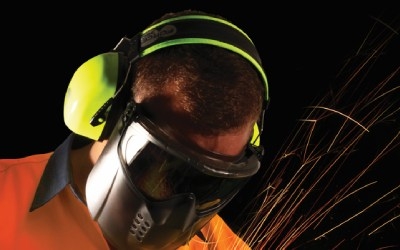
Excessive occupational noise is a common risk in workplaces with noisy tools and machinery, and around truck and forklift traffic. Exposure to loud noises, such as jackhammers, jet engines, firearms and many others, can put workers at risk. Damage to our hearing is irreparable, resulting in slight or complete hearing loss. Still, it is preventable if the appropriate hearing protection is used. Choosing the proper hearing protection, whether disposable, reusable, detachable or customised, is critical because when fitted and used correctly, efficacy is maximised and dangerous noise levels are reduced.
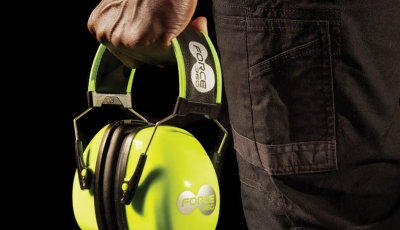
It is a fact that too much noise onsite can lead to temporary or permanent hearing loss or tinnitus – defined by ringing in the ears. The most at risk category of workers is industrial manufacturing workers who rely on their PPE to protect them from Noise-Induced Hearing Loss (NIHL). NIHL can be brought upon by long-term exposure to harmful levels of sounds. With Force360 certified hearing protection you are guaranteed protection for the stipulated dB classification, as tested to Australian standards. However, as we know there are more factors at play when preventing a team from hearing injuries. How effective is hearing protection is being used?
More than 1.1 million Australians are exposed to hazardous noise at work. The damage is permanent, the legislation is current, and regulators are enforcing it. This article covers the legal exposure standard, the AS/NZS 1270 class rating system, what a compliant hearing protector program looks like, and your audiometric testing obligations by state — with a practical compliance checklist for safety and operations teams managing noise-exposed workforces.
Beat the winter chill and stay safe at work! This guide from Safetywear Direct offers tips for maintaining a clean & organized workspace to prevent slips & falls, plus essential winter safety reminders.
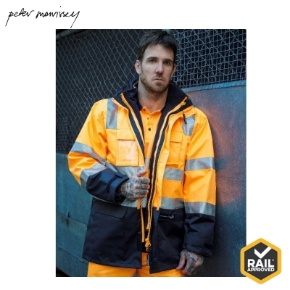
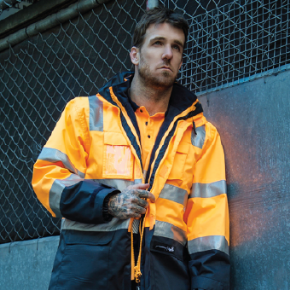
In the rugged terrains of the Australian mining and construction industries, where workers are often at the mercy of unpredictable weather, the quality of wet weather gear is not just about comfort—it's about safety and productivity. The backbone of ensuring the effectiveness of this critical gear is the Australian Standard AS 2001.2.17:1987, which provides a rigorous framework for testing the resistance of fabrics to water penetration. This blog explores how this standard applies to the mining and construction sectors and delves into the science behind the testing of wet weather garments.
Don't let winter freeze your plans! This guide equips you with layering techniques, best material choices, and tips for keeping extremities warm. Stay comfortable & productive all season long!
Unknown to most people, gloves in Australia are almost always sold as compliant to Australian or European Standards. They may show the ‘CE’ mark and mechanical score and symbol like ‘EN388 4542F’ . They may state in their literature ‘Compliant to European Standards’ or ‘meets European Standards’. They may also print AS/NZS 2161.3 on the glove as a way of claiming the glove is standards approved.