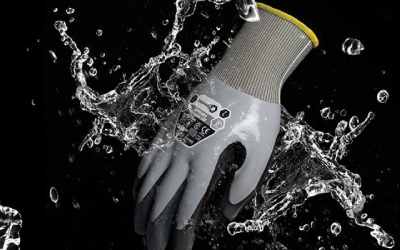
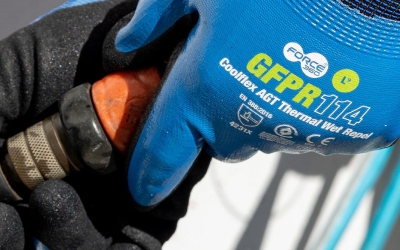
It's important to understand that waterproof gloves and water-resistant gloves are designed for different purposes. Water-resistant gloves provide some protection against water, but they are not entirely waterproof. Waterproof gloves are impermeable to water keeping your hands completely dry even when fully submerged. Explore the differences and advantages of water-resistant gloves.
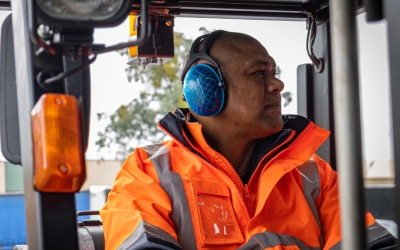
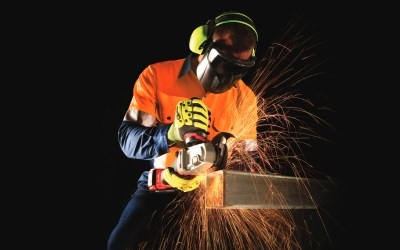
It is a fact that too much noise onsite can lead to temporary or permanent hearing loss or tinnitus – defined by ringing in the ears. The most at risk category of workers is industrial manufacturing workers who rely on their PPE to protect them from Noise-Induced Hearing Loss (NIHL). NIHL can be brought upon by long-term exposure to harmful levels of sounds. With Force360 certified hearing protection you are guaranteed protection for the stipulated dB classification, as tested to Australian standards. However, as we know there are more factors at play when preventing a team from hearing injuries. How effective is hearing protection is being used?
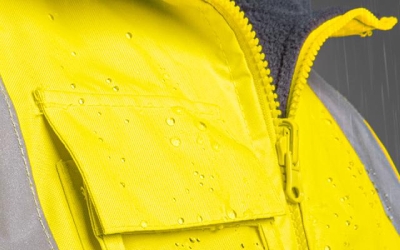
In the rugged terrains of the Australian mining and construction industries, where workers are often at the mercy of unpredictable weather, the quality of wet weather gear is not just about comfort—it's about safety and productivity. The backbone of ensuring the effectiveness of this critical gear is the Australian Standard AS 2001.2.17:1987, which provides a rigorous framework for testing the resistance of fabrics to water penetration. This blog explores how this standard applies to the mining and construction sectors and delves into the science behind the testing of wet weather garments.
Fluctuating weather conditions on-site can be challenging, causing workers to experience sudden shifts in temperature and hindering their ability to perform their job. Explore the advantages of layered clothing for keeping warm on-site and how it can help workers maintain their focus and safety, even in the coldest weather conditions.
In Australia’s construction and mining industries, Personal Protective Equipment (PPE) is indispensable for safety, but its disposal poses a significant environmental challenge. Safe Work Australia reports that these sectors generate substantial waste, with PPE contributing to landfill pollution and resource loss. End-of-life (EOL) solutions are critical to close the loop, and The PPE Group’s 360processed program - partnering with Upparel - provides a comprehensive recycling pathway. This initiative diverts PPE from landfills, upcycles materials, and offers transparent reporting, ensuring a sustainable afterlife for gear. Discover how 360processed addresses EOL issues and why it’s essential for sustainability managers.
For Work Health and Safety (WHS) Managers in Australia’s construction and mining industries, ensuring worker compliance with Personal Protective Equipment (PPE) is a daily challenge. Safe Work Australia reports that non-compliance contributes to 40% of workplace injuries, costing businesses millions in medical expenses and downtime. A critical pain point is lack of worker awareness about the importance of PPE, often due to inadequate training or skepticism about its effectiveness. The PPE Group’s brands—Force360, TRu Workwear, Graphex, and Bool PT—combine high-performance safety with comfort to make PPE indispensable, while our engaging toolbox talks reinforce awareness. Here’s how we help WHS Managers boost compliance and keep workers safe.
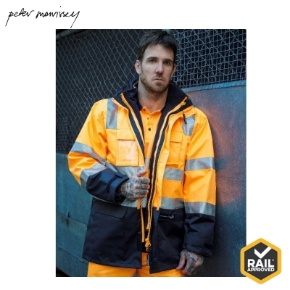
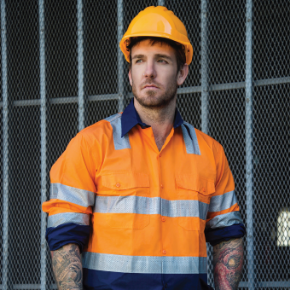
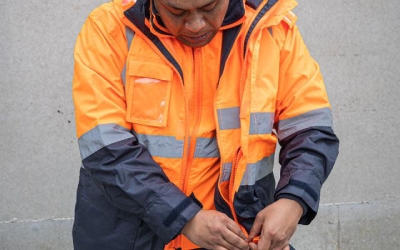
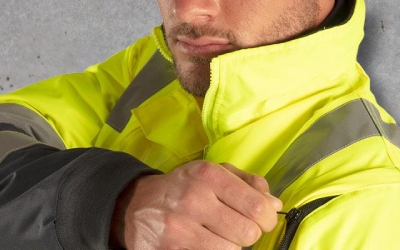
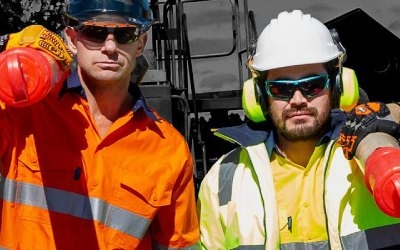
Ensuring the safety and visibility of workers is of utmost importance for TRu Workwear. TRu Workwear’s garments are certified to meet the highest standards that significantly enhance visibility and reduce the risk of accidents. One of these standards is the Class F (W) category Class F (W) is a specific category designed to offer optimal visibility and protection among these standards. Delve into Class F (W) workwear requirements and benefits.
Safety is a top priority in any workplace, and protective workwear is crucial in keeping workers safe from on-the-job hazards. While all workwear must meet safety standards and regulations, there are significant differences between certified and compliant workwear. It is essential to understand why certified workwear is safer than compliant workwear. By understanding the benefits of certified workwear, you can make informed decisions about choosing the correct workwear to keep yourself and your colleagues safe in the industry.
When it comes to sourcing workwear uniforms and safety PPE for your business, making the right choice isn’t just about compliance, it’s about protecting your team, ensuring professional presentation, and building trust with your clients. Workwear Direct has established itself as Australia’s leading provider in this space, thanks to our extensive experience, product range, and customer-focused services.
The AIHS will be publishing a series of news stories through October to support the four themes of National Safe Work Month. The first week focuses on WHS fundamentals, and gets back to basics by unpacking the fundamentals of WHS. There are a number of fundamentals of good WHS practice, according to Safe Work Australia and industry leaders, who said one of the most important is taking an evidence-based approach to proactively managing WHS risks.
ACT: repeat offenders in residential construction on notice
There has been little change in safety behaviours and recurrent non-compliance by a number of residential construction businesses in the ACT, despite repeated enforcement notices and engagement with WorkSafe ACT inspectors, according to the regulator.
Blanket ban of engineered stone recommended by Safe Work Australia
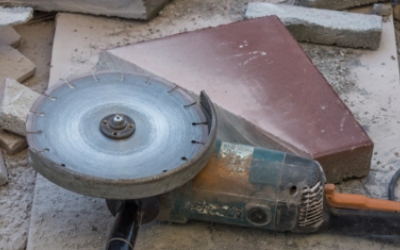
The use of all engineered stone, irrespective of crystalline silica content, should be banned in order to protect the health and safety of workers, according to Safe Work Australia.