Most people in Australia are unaware of the process and importance of Certification vs Compliance; therefore, misconceptions occur, and consumers become exposed to the risk of workplace injury.
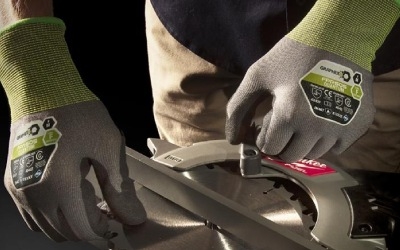
Glove gauge is a crucial consideration that can impact everything from dexterity to cut protection. A higher gauge means more stitches per inch, resulting in lighter, more dense stitching. Take a closer look at the advantages of higher gauge cut gloves and why they might be the right choice for your industry or application.
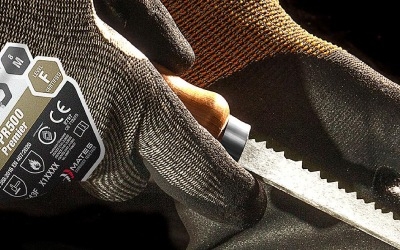
Hand injuries are the most common type of work-related injuries among Australians. Therefore, gloves certified to the latest Australian and New Zealand standards provide employees and employers alike complete peace of mind, as the gloves supplied are of the highest quality and perform to their published mechanical performance claims.
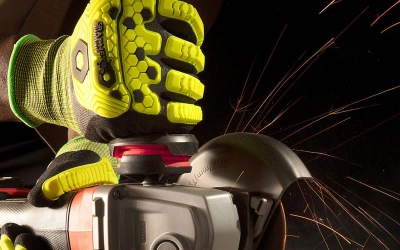
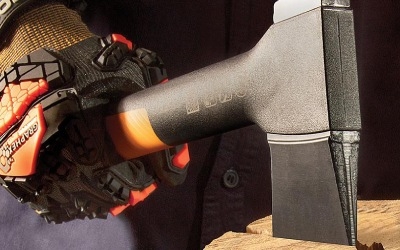
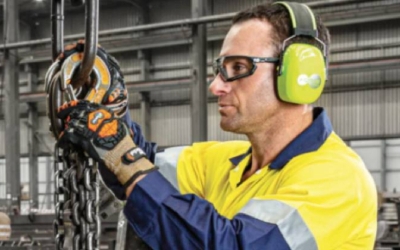
Workers in the oil, gas, mining and construction industries become exposed daily to a diverse range of unforeseen circumstances and hazards, which can result in severe injury to their hands. In these environments, workers are at risk of crushing, puncturing, and pinching-related injuries. Hand injuries caused by impact hazards are painful, costly, and sometimes irreparable. It affects both employer and employee, making it crucial for all to understand the importance of wearing impact protection gloves, especially in industries with high risks of impact hazards.
Gauge your safety and performance! Understanding glove gauges is important for protecting your hands in the workplace. Gloves with specific gauges offer advantages and protection for certain tasks. For example, thinner gloves are perfect for electricians handling thin cables.
It's important to understand that waterproof gloves and water-resistant gloves are designed for different purposes. Water-resistant gloves provide some protection against water, but they are not entirely waterproof. Waterproof gloves are impermeable to water keeping your hands completely dry even when fully submerged. Explore the differences and advantages of water-resistant gloves.
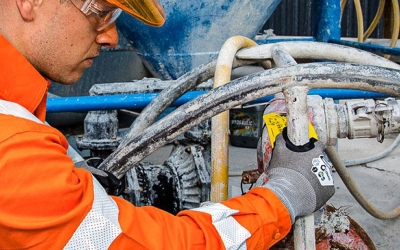
Hand Protection is a crucial part of PPE for any physical labour task, handling dangerous chemicals, operating tools, equipment and machinery. It is imperative that appropriate ‘task-specific’ gloves, are worn in the workplace. The Graphex® range at Workwear Direct features an extended thumb and forefinger saddle. This beneficial design boosts the gloves’ overall protection, grip and longevity - further reducing the risk of hand injuries in the workplace.
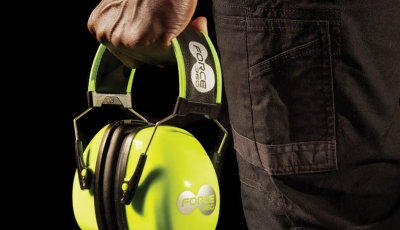
It is a fact that too much noise onsite can lead to temporary or permanent hearing loss or tinnitus – defined by ringing in the ears. The most at risk category of workers is industrial manufacturing workers who rely on their PPE to protect them from Noise-Induced Hearing Loss (NIHL). NIHL can be brought upon by long-term exposure to harmful levels of sounds. With Force360 certified hearing protection you are guaranteed protection for the stipulated dB classification, as tested to Australian standards. However, as we know there are more factors at play when preventing a team from hearing injuries. How effective is hearing protection is being used?
Hearing loss frequently happens due to exposure to loud environments. It can result from a singular loud noise such as an explosion of a firecracker near your ear, or more often, it can result over time from repeated exposure to loud sounds causing damage to our ears. Our ears are incredibly versatile and an essential organ in our bodies. Hence, we measure sound levels, which can assist us in understanding what things and settings can potentially harm our ears.
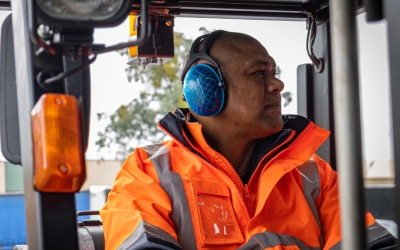
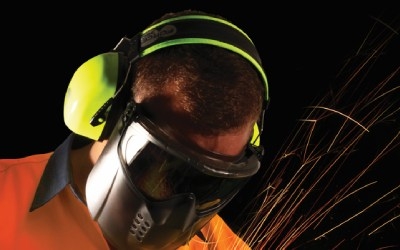
Excessive occupational noise is a common risk in workplaces with noisy tools and machinery, and around truck and forklift traffic. Exposure to loud noises, such as jackhammers, jet engines, firearms and many others, can put workers at risk. Damage to our hearing is irreparable, resulting in slight or complete hearing loss. Still, it is preventable if the appropriate hearing protection is used. Choosing the proper hearing protection, whether disposable, reusable, detachable or customised, is critical because when fitted and used correctly, efficacy is maximised and dangerous noise levels are reduced.
More than 1.1 million Australians are exposed to hazardous noise at work. The damage is permanent, the legislation is current, and regulators are enforcing it. This article covers the legal exposure standard, the AS/NZS 1270 class rating system, what a compliant hearing protector program looks like, and your audiometric testing obligations by state — with a practical compliance checklist for safety and operations teams managing noise-exposed workforces.
Beat the winter chill and stay safe at work! This guide from Safetywear Direct offers tips for maintaining a clean & organized workspace to prevent slips & falls, plus essential winter safety reminders.