































































In the Australian industrial landscape, Personal Protective Equipment (PPE) is often the final line of defence. However, simply providing the gear is only half the battle. Under the Work Health and Safety (WHS) Act, Australian businesses (PCBUs) have a legal obligation to ensure that PPE is not only provided but is suitable, maintained, and properly fitted.
When PPE doesn't fit or isn't maintained, it doesn't just become uncomfortable, it becomes a hazard in itself. Here is how to ensure your team is truly protected
1. The Science of the Perfect Fit: Beyond the Basics
In Australia, we don't just "guess" sizing; we align with AS/NZS standards. A "one size fits all" approach is a compliance risk that can lead to significant workplace injuries.
-
Respiratory Protection (The "Face Seal"): Even a millimetre of gap due to poor fit or facial hair can render a mask useless. Under AS/NZS 1715, "Fit Testing" is a mandatory requirement for tight-fitting respirators. If air can take the path of least resistance around the mask, the filter is essentially decorative.
-
Safety Eyewear (The "Projectile Path"): AS/NZS 1337.1, states protective eyewear should have a "little finger gap" rule. No more than a 5-6mm gap between the frame and your cheek or forehead. A gap larger than this allows flying debris, sparks, or chemical splashes to travel behind the lens.
-
Hand Protection (The "Dexterity Gap"): Gloves that are too large create a fold of excess material at the fingertips. This "dead space" leads to a loss of tactile feel, causing workers to grip harder (leading to fatigue) or, more dangerously, getting the excess material caught in moving machinery or power tools (AS/NZS 2161.1).
2. Compatibility: The "Stacking" Effect
When multiple pieces of PPE are worn at once, they often compete for the same real estate on the worker’s body. This is where many businesses fail an audit.
-
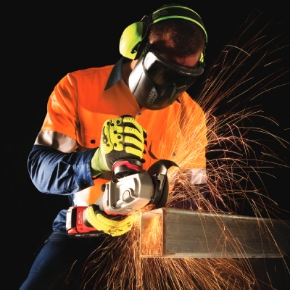
Eyewear vs. Hearing Protection: This is the most common compatibility failure. Thick side-arms on safety glasses can break the acoustic seal of earmuffs, reducing their noise reduction rating by up to 10–15dB.
-
Solution: Opt for safety glasses with "flat temple" arms designed specifically to be worn under hearing protection.
-
-
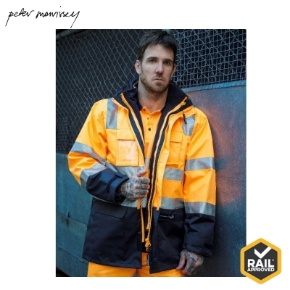
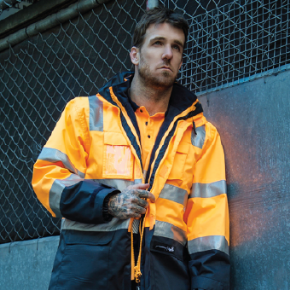
Hi-Vis Tape vs. Fall Arrest: If a worker puts a safety harness over a Hi-Vis vest, the harness straps can obscure the retro-reflective tape. Under AS/NZS 4602.1, a garment must have a specific amount of uninterrupted visible material to remain compliant.
-
Solution: Use purpose-built Hi-Vis vests that feature "split" tape patterns or integrated harness access points to ensure the worker remains visible and secure.
-
-
Hard Hats vs. Brow Guards: If a worker tries to "DIY" a face shield onto a hard hat that wasn't designed for it, the weight distribution can cause the hat to tilt forward, obscuring vision and leaving the back of the head exposed.
-
Solution: Always ensure components are "certified compatible" by the manufacturer to maintain the integrity of the AS/NZS 1801 shell.
-
3. Training Beyond the Toolbox Talk
Providing gear without instruction is a leading cause of workplace incidents. Your team needs to know:
-
When to wear it (triggered by specific hazards).
-
How to inspect it (looking for cracks in hard hat shells or "pitting" in safety lenses).
-
Where/ how to store it (clean with no damage in appropaite places. UV rays and heat can degrade high-visibility fabrics and plastic components over time). Mud or other chemicals can deteriate the materials, or fit for use.
- Solution: Keep a digital log of PPE issue dates and training sessions. In the event of a SafeWork audit, your documentation is just as important as the gear itself.
4. Regular Assessments & Maintenance
PPE has an expiry date. High-visibility gear (compliant with AS/NZS 4602.1) loses its retro-reflective properties after a certain number of washes, and hard hats (AS/NZS 1801) should generally be replaced every 2-3 years, or immediately after an impact.
-
- Solution: Keep a digital log of PPE assessment and dates. In the event of a SafeWork audit, your documentation is just as important as the gear itself.
5. Hi Vis Workwear- The "Wash-Out" Factor
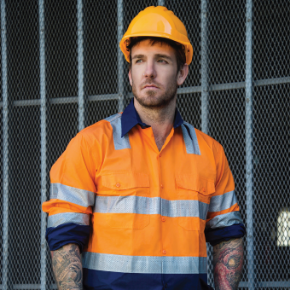
One gap often missed by Australian procurement officers is the Hi-Vis Lifecycle. The retro-reflective tape on your workwear isn't permanent. Most compliant garments are only rated for 25 to 50 washes. After this, the tape loses its "return-to-light" effectiveness, even if the fabric looks fine in the daylight.
-
- Solution: Encourage your team to check their tape at dawn or dusk with a torch. If it doesn't "pop" back at you, it’s no longer compliant for night use (Class N).
Why this matters for your business
Investing in high-quality, correctly fitted PPE isn't just a cost, it's a productivity booster. Comfortable workers are more focused, less fatigued, and less likely to take shortcuts.
At Workwear Direct, we don't just supply the gear; we partner with you to ensure your team returns home safely every single day.

