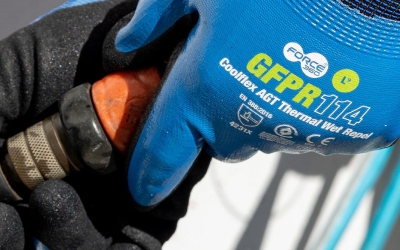
Fluctuating weather conditions on-site can be challenging, causing workers to experience sudden shifts in temperature and hindering their ability to perform their job. Explore the advantages of layered clothing for keeping warm on-site and how it can help workers maintain their focus and safety, even in the coldest weather conditions.
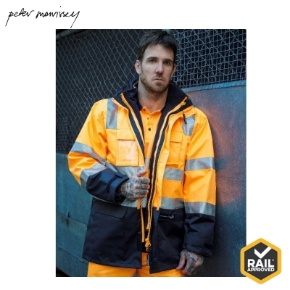
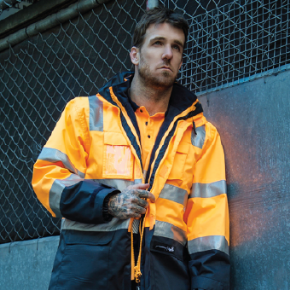
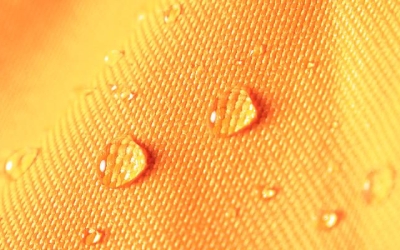
Protective workwear is critical in work environments, safeguarding workers from hazards and ensuring their safety and well-being. TRu Workwear offers various garments designed to adapt to different weather conditions. Understand the distinctions between water-repellent, water-resistant, and weatherproof materials.
In the demanding environments of Australian industries such as mining, construction, energy, electrical, and oil & gas, FR workwear must withstand extreme conditions while providing continuous protection. Ensuring the longevity of these garments is crucial for both safety and cost-effectiveness. This blog explores strategies for maximising the lifespan of FR workwear, highlighting the durability and advantages of Bool Parvotex fabric.
Unlike standard workwear garments, the fabric composition of flame resistant fabrics varies drastically, depending on purpose and region. Traditionally in Europe and America, FR garments have been thick and heavy; however, such garments in hot Australian conditions would not suffice. Blends of cheaper, less wear-resistant fibres are also commonplace. Although such garments, when new, may pass specific FR standards and achieve comparable ratings, their degradation occurs sooner, rendering the garment less safe to wear over its lifespan.
Fire Resistant workwear brands are relied upon to provide the safest protection against onsite hazards, including low light sources, intense heat, open arcs, chemicals, or static hazards on Australia’s most danger-prone sites. Perhaps most importantly, FR workwear protects against ‘flash fire’ and ‘arc flash’ events which, although avoided, when occur can be fatal. Understanding the risk and potential for injury will assist in assessing the need for protection.
It is believed that electrocution was previously considered the number one cause of fatalities in the electrical industry. However, extensive research has revealed that arc flash incidents resulting in burns are, in fact, responsible for more casualties. Companies and organisations have taken proactive steps to continue to educate their employees and promote awareness of arc flash hazards in the workplace.
Bool PT brand ambassador, Mark Inglis, sits down with our category manager, Dean Smith, in a tell all story about his arc flash incident and the impact this had on his family and close community.
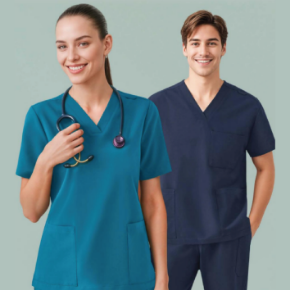
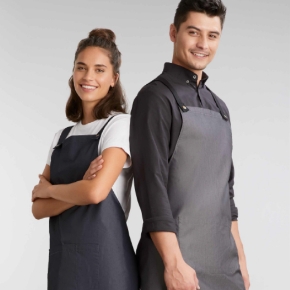
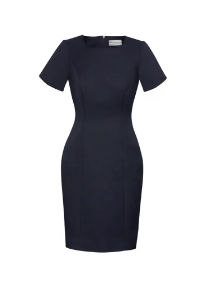
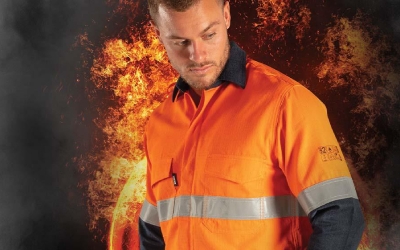
In Australia's demanding work environments, particularly within construction, mining, and industrial sectors, the significance of breathable workwear cannot be overstated. The nation's climate, characterised by high temperatures and humidity, necessitates garments that not only ensure safety but also provide comfort.
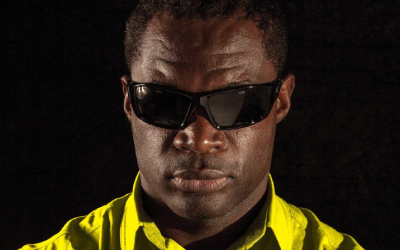
For anyone conducting outdoor work, differentiating a polarised spec from a standard smoke or mirror coated spec will make a big difference in optical clarity and comfort. The harsh Australian sun will inflict high levels of ultraviolet (UV) radiation on our eyes. When selecting a safety spec, taking vigilant action will reduce the risk of harmful optical conditions, like conjunctivitis or cataracts.
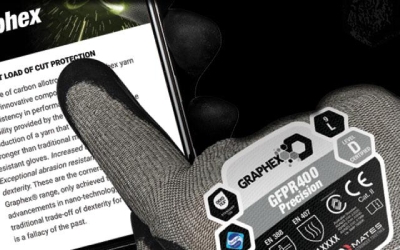
Gauge your safety and performance! Understanding glove gauges is important for protecting your hands in the workplace. Gloves with specific gauges offer advantages and protection for certain tasks. For example, thinner gloves are perfect for electricians handling thin cables. Deciding on the appropriate safety glove can be daunting due to the many available alternatives. The work environment and potential dangers should guide your choice. But first, what is gauge?
For Work Health and Safety (WHS) Managers in Australia’s construction and mining industries, ensuring worker compliance with Personal Protective Equipment (PPE) is a daily challenge. Safe Work Australia reports that non-compliance contributes to 40% of workplace injuries, costing businesses millions in medical expenses and downtime. A critical pain point is lack of worker awareness about the importance of PPE, often due to inadequate training or skepticism about its effectiveness. The PPE Group’s brands—Force360, TRu Workwear, Graphex, and Bool PT—combine high-performance safety with comfort to make PPE indispensable, while our engaging toolbox talks reinforce awareness. Here’s how we help WHS Managers boost compliance and keep workers safe.
The COVID-19 pandemic has sparked a surge in the use of respiratory masks, leading to an increased awareness of the importance of respiratory protection. With an array of respiratory masks available in the market, selecting the most appropriate type of respiratory protection can be challenging. Among these options are disposable and reusable respirators. Choosing the proper respiratory mask depends on several factors, such as intended use, comfort, durability, cost, environmental impact, and task-specific regulations and standards. The differences between disposable and reusable respirators, include their features, benefits, drawbacks, and environmental impact. It’s important to understand the differences between each respirator to help you make an informed decision when selecting the appropriate PPE.







































































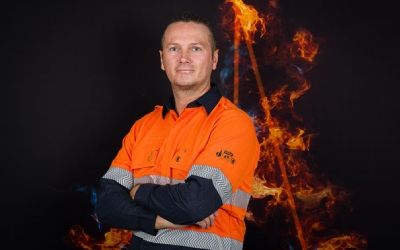
_400.jpeg "Garment Breathability and Weights - What to Chose?")